Most AI initiatives don't fail on technology. They fail on thinking.
The tools have never been better. The results have never been more mixed. The difference isn't the model you pick — it's how you think about value, data, and the people who have to live with what gets built.
How I think — six convictions
Value first, always
Technology initiatives fail when they start with the tool and go looking for a problem. I start where value actually lives in your business — the forecast nobody trusts, the process everyone works around, the question the CFO can't get answered — and let the technology follow. I use empirical data to balance investment with outcome, so the roadmap is grounded in what the numbers say, not what the hype cycle says. And when the honest answer is "don't build this," I say so.
Trust is built at the data layer
AI is only as good as the data underneath it. The single biggest predictor of success isn't the model — it's whether the foundation is clean, granular, and connected. I think of it as a wide ledger of your business: every transaction and event at its most atomic level, consistent and traceable. When data works this way, AI stops being a black box. Every answer traces back to a verifiable source, and your finance team can audit a conversational query down to the row.
Meet people where they work
The best system in the world creates zero value if nobody opens it. Answers should show up where your teams already are — chat, spreadsheets, dashboards, documents, email. One intelligence layer, many surfaces, no new portal to ignore. Adoption isn't a change-management afterthought; it's an architectural decision made on day one.
Ship real things, early
The fastest way to learn what an organization needs is to put something real in front of it. I ship working solutions in weeks, not months — but I build with the end in mind, so what ships today is accretive to where you're going, not throwaway work. Iteration and architecture aren't opposites. You need both.
Work at every altitude
Value-focused delivery requires the whole organization thinking together — and most of what gets lost in transformation gets lost in translation. I can work with the CFO in the morning and the data engineer in the afternoon, no translation layer needed. Strategy that delivery teams can actually ship; delivery that executives can actually measure.
Stay until it works
Deployed isn't done. AI systems are living capabilities that need tuning, monitoring, and evolution as the business changes — and accountability shouldn't end at launch. I treat your problem like my problem, and I stay shoulder to shoulder with users until it's working. Not just delivered. Working.
About — like you, I want better
The companies that thrive next won't be the ones with the most AI. They'll be the ones that rebuild how they operate: one connected record of the business, intelligence anyone can question, answers that prove themselves. And they'll be built by people who can hold the whole thing — vision through production.
That's my work.
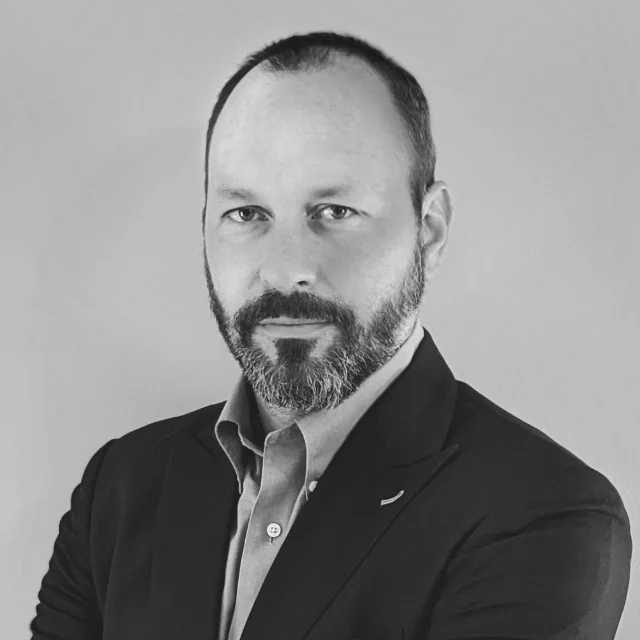
Tartan Advisory Partners was founded on a simple frustration: too much of consulting is structured around the consultant's business model instead of the client's outcomes. Hours get billed, decks get delivered, value gets deferred. I built Tartan to work differently — the principles on this site aren't marketing copy, they're my operating manual.
I've spent twenty-five years getting here — starting in California during the dot-com era, then over a decade leading finance transformation at Big 4 consulting firms, and now working directly with CFOs, executives, and operating teams as an independent architect and builder. I hold a BS and MS from Carnegie Mellon and have been putting AI into production since before it was a buzzword.
The serious thinking on AI keeps landing on one finding: the value is in redesigning the work, not automating the task. Bolt AI onto an existing process and nothing moves. I've been building on the other side of that line for years — at Fortune 50 scale and at founder scale — and the throughline never changes: once the work is reorganized, it doesn't go back.
I'm not religious about tools. If it doesn't drive outcomes, I don't do it.
The Tartan network No one person covers everything, and I don't pretend to. Over twenty-five years I've built a trusted roster of practitioners — data engineers, cloud architects, finance transformation leads, designers, change managers — who I bring into engagements when the work calls for them. Same principles, same accountability, one point of contact: me.
Contact — start a conversation
One practitioner. Senior attention, start to finish.
The best first step is a short working session on what you're actually trying to accomplish. No pitch, no discovery theater.